Longevity
What does your gut have to do with aging?
Studies show a link between longevity and the microbiome.
Natasha Franco
Journalist
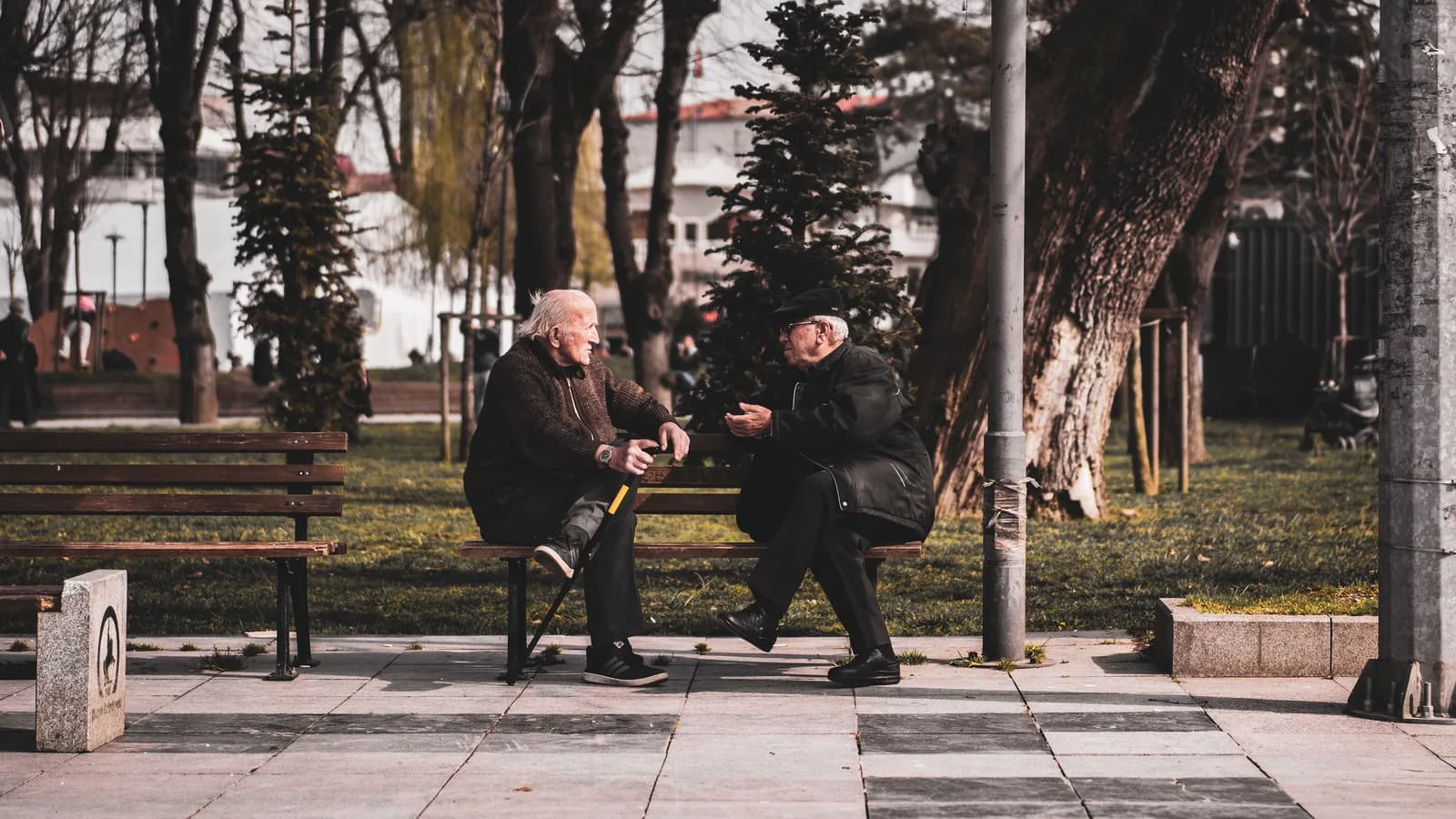
Habits such as diet, physical activity and even medication use affect the role these microorganisms play in health.
The human body hosts roughly 38 trillion microorganisms, spread across our skin, mouth, respiratory system, vagina and even our eyes. But the best-known microbes in the human body are the ones that make up the gut microbiota.
There is a lot of talk about the role this intestinal colony plays in many aspects of our health, which has come to define the gut not only as part of the digestive system but as a complex metabolic and neuroendocrine organ. It even plays a role in how we age!
One of the most interesting discoveries in medicine in recent years was realizing that we age accompanied by trillions of microorganisms living in our gut, and that they actively take part in this process, says gastroenterologist Rhaissa Said, a full member of the Federação Brasileira de Gastroenterologia (FBG).
According to her, all of this is tied to what these bacteria do in metabolism, immunity, the integrity of the intestinal barrier and the control of inflammation. And it depends heavily on the diversity of microorganisms we have in this intestinal colony.
How does the gut microbiome affect aging?
Over time, the diversity of our gut microbiota can decline, which leads to changes in the production of metabolites that are important for health. “These changes can promote increased intestinal permeability and a state of chronic low-grade inflammation known as inflammaging, considered one of the main biological drivers of aging,” Said emphasizes.
The point is that the more diverse the microbiota, the greater its ability to protect the body. “Different bacteria work together, producing substances that strengthen the intestinal wall, help control inflammation and regulate how the immune system functions,” explains nutrition physician and sports medicine doctor Thiago Viana.
Among the substances produced are short-chain fatty acids, vitamins, polyamines and tryptophan derivatives, all linked to better immune function and to the prevention of systemic inflammation.
“When this diversity decreases, potentially harmful microorganisms gain ground and start producing substances associated with chronic inflammation, insulin resistance and frailty,” says gastroenterologist Said. “Several studies show that older adults with lower microbial diversity have more inflammation, more age-related diseases and poorer functional capacity,” the specialist concludes.
Some specific bacterial groups have been observed in microbiotas associated with healthier aging, such as Akkermansia muciniphila, Christensenellaceae and certain species of Bifidobacterium. But at the end of the day, there is no single longevity bacterium. The secret lies in having a diverse microbiome.
“Italian researchers who studied people over 100 years old observed that they do not have the same microbiota as young adults. These individuals tend to show greater microbial diversity, more stable bacterial communities and a greater capacity to produce beneficial metabolites, especially short-chain fatty acids such as butyrate,” Rhaissa describes.
How can you help your microbiota age better?
Lifestyle habits are closely linked to aging with greater microbial diversity in the gut. Starting with diet: “Prebiotic fibers serve as food for beneficial bacteria, while the phenolic compounds found in fruits, vegetables, cocoa, coffee, green tea and olive oil help promote the growth of these microorganisms,” Viana lists.
Said points out that some studies have found a connection between a Mediterranean diet and a gut with healthier bacteria. “After one year following an eating pattern similar to the Mediterranean diet, older adults showed an increase in bacteria that produce beneficial metabolites and a reduction in groups associated with frailty,” the gastroenterologist explains.
“The most interesting thing is that these changes occurred before relevant clinical manifestations appeared, suggesting that the microbiota may be one of the first targets of preventive strategies for healthy aging,” the specialist concludes.
In addition to diet, both doctors stress other healthy habits: regular physical activity, adequate sleep, cutting back on ultra-processed foods, taking care of oral health and judicious use of antibiotics are strategies that help preserve the resilience of the microbiota.
Ultimately, aging well doesn’t depend only on the genes we inherit. It also depends on the relationship we cultivate, throughout our lives, with the trillions of microorganisms that inhabit our gut, Said concludes.