
Cholesterol medication after 70: what are the benefits and limits?
A trial of nearly 10,000 participants found a cardiovascular benefit with atorvastatin but did not show that it extended life free of dementia or persistent physical disability.
Newsroom
The Prime Health Report newsroom brings together journalists and editors dedicated to curating science, health and wellness content.

A trial of nearly 10,000 participants found a cardiovascular benefit with atorvastatin but did not show that it extended life free of dementia or persistent physical disability.

The trend blends useful habits, devices, supplements and risky practices. Experts explain what is backed by science, what calls for caution and when to seek care.

A Brazilian study of triathletes found an association between previous episodes and new cramps during competition. How often athletes perceive these episodes happening and whether they stick to their hydration plan also help explain who may be more prone to the problem.

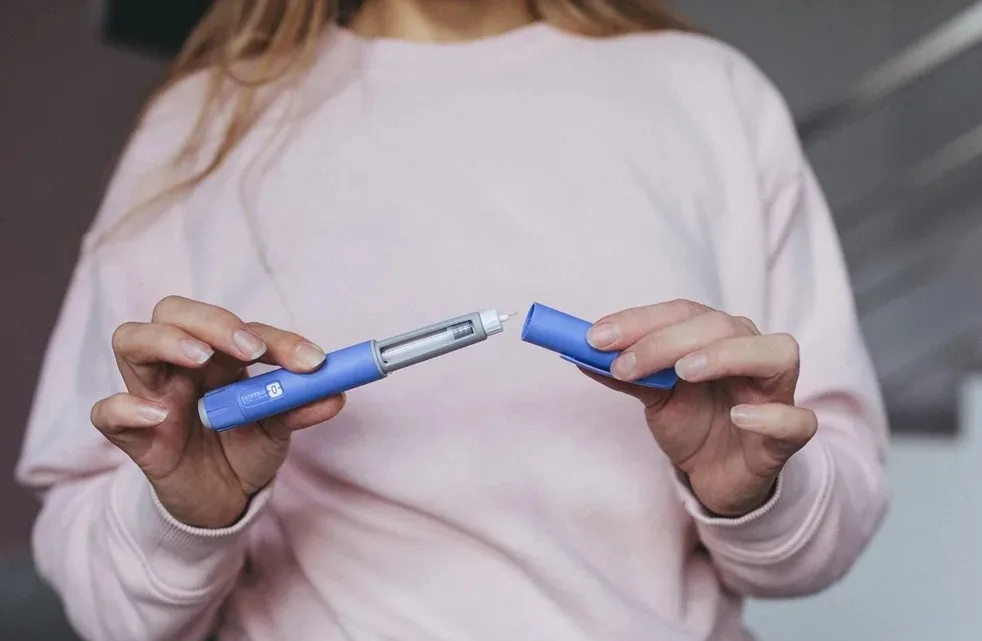
A survey of 860 adults found that use without a prescription was more frequent among health professionals and participants without obesity, but the authors caution that the cross-sectional design does not allow them to conclude whether these people already fell outside clinical criteria when they started treatment.

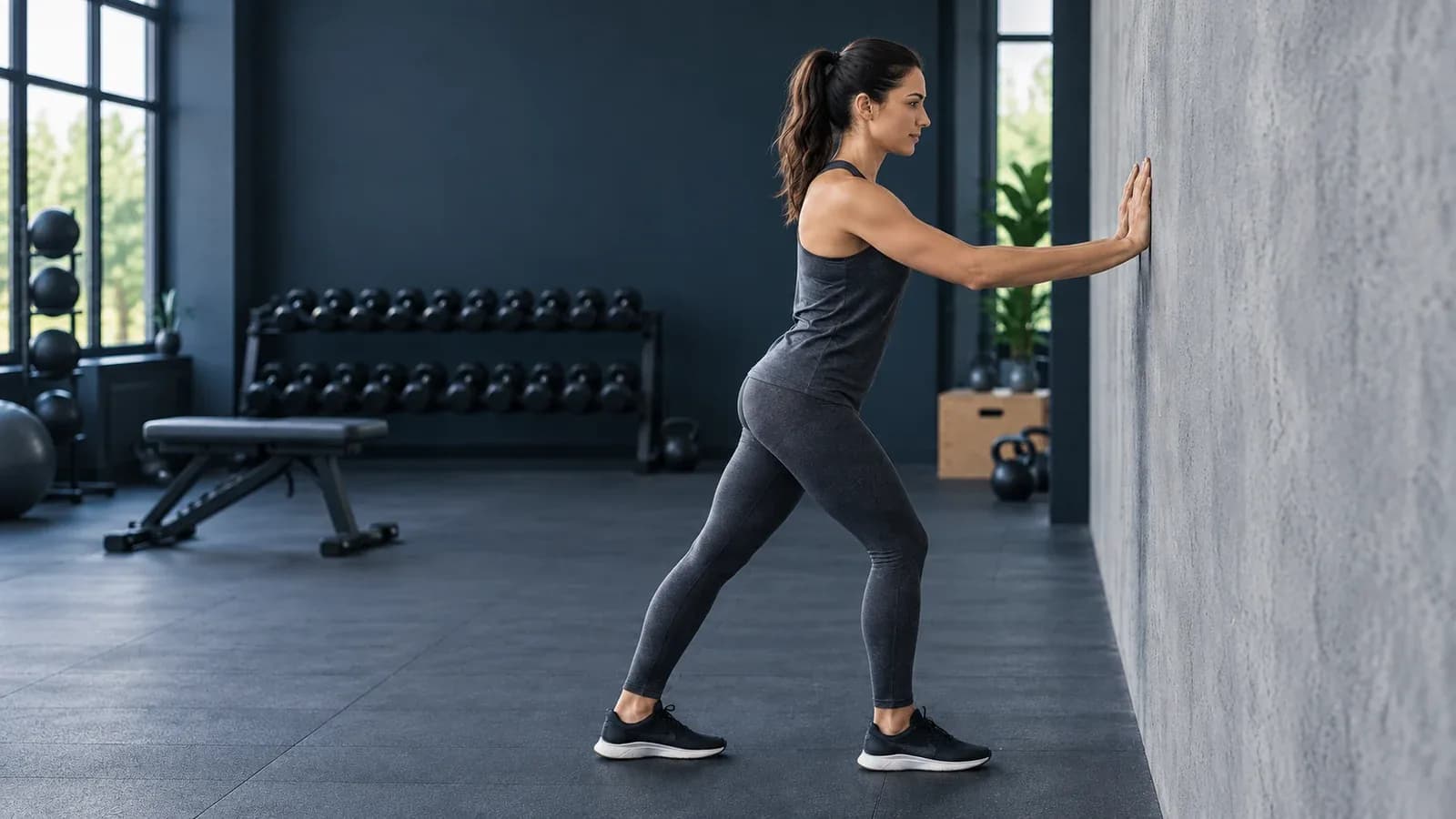
A scientific review shows why gaining range of motion doesn’t simply mean having less stiff muscles and tendons, and examines the role of the sensations that arise during stretching.

The new treatment showed a median overall survival of 13.2 months, versus 6.7 months with chemotherapy, in a phase 3 trial of 500 previously treated patients.

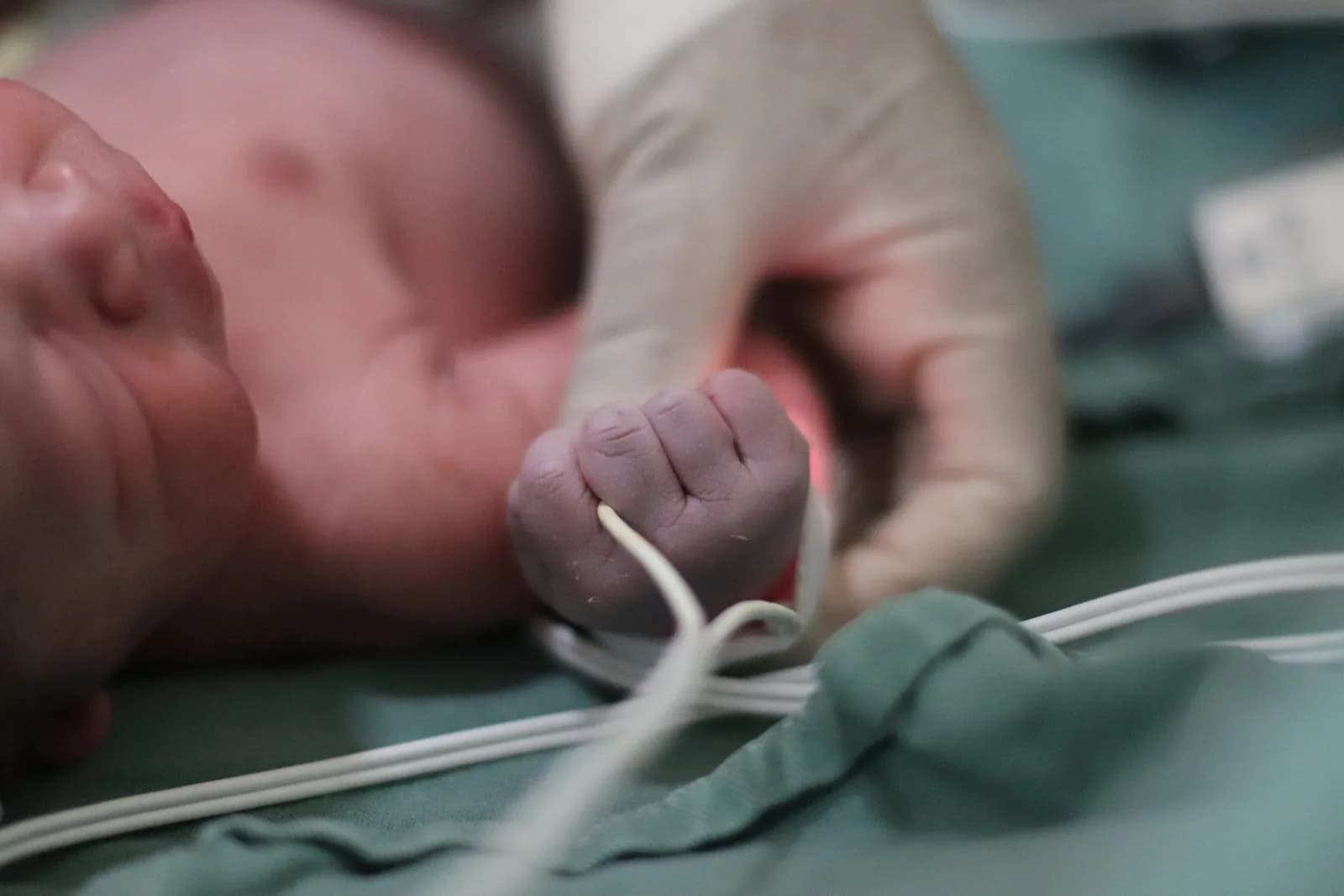
A study with Brazilian participation found respiratory syncytial virus (RSV) in nearly half of the hospitalized children evaluated and indicates that the need for intensive care weighs more heavily on the economic and health burden than the presence of the virus alone.

Feeling your heart race after coffee doesn’t necessarily mean you have an arrhythmia or a higher cardiovascular risk. Recent evidence highlights the differences between immediate effects and habitual consumption, between atrial fibrillation and premature beats, and between coffee, caffeine and energy drinks. Experts explain why dose, brewing method and individual response also need to factor into the equation.

Research in Nature Aging examines the link between exercise, metabolism and ovarian aging. The results are strong in mice, but in women the available evidence does not yet confirm the same effect.