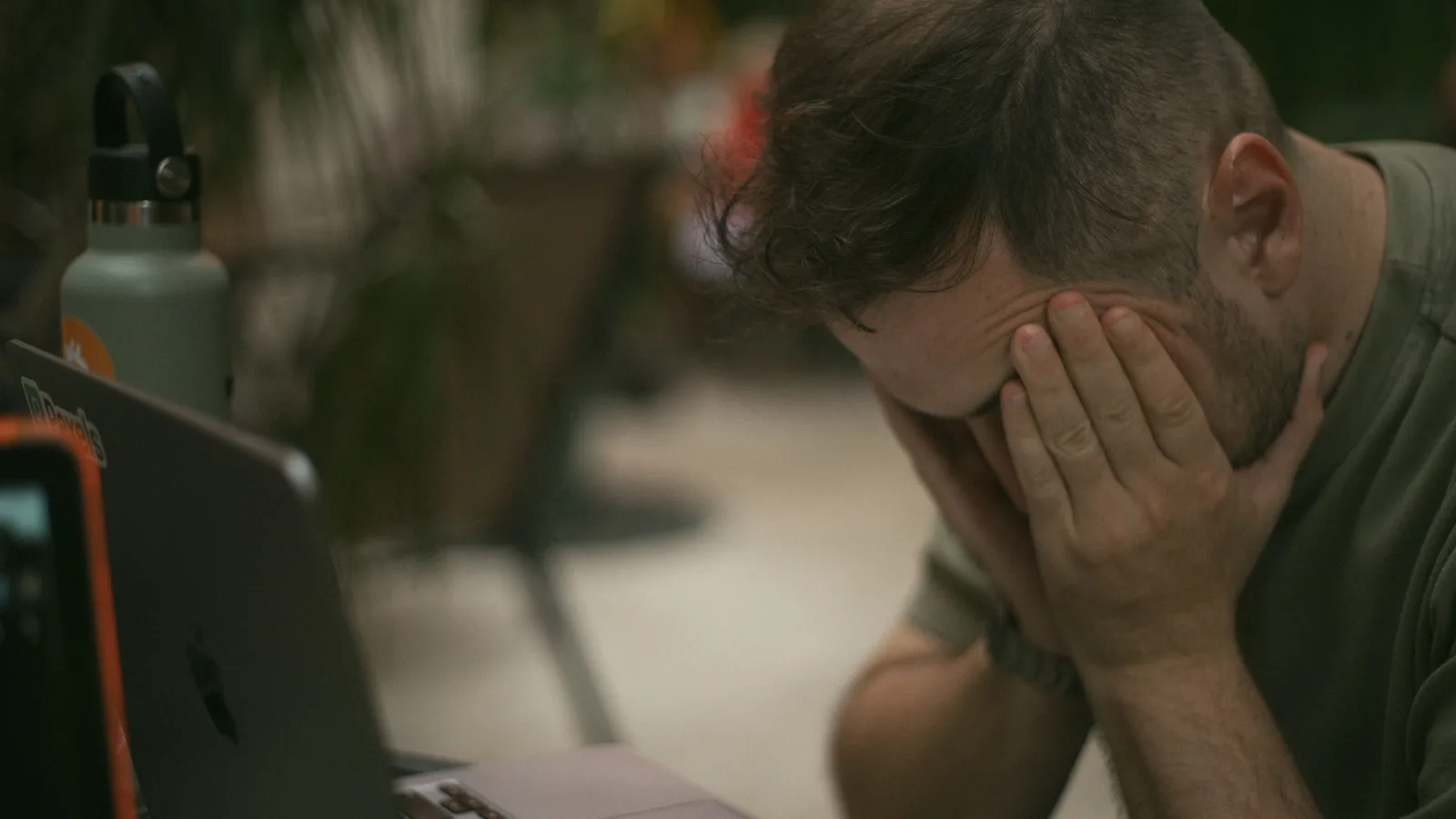
Traditionally, burnout is an occupational phenomenon, meaning it is tied to work. But changes in the way we live, work and take care of ourselves are fueling an increasingly broad debate about a permanent state of exhaustion that seems to extend beyond the limits of a job. The feeling of always being behind, owing someone attention or trying to handle one more task is no longer the exception; today it is part of the routine for millions of people.
The workday ends, but the messages keep coming. Between one meeting and the next, there are kids to pick up, bills to pay, aging parents to look after, studies to finish and an endless list of responsibilities that runs through the day, spills into the night and carries over into the next day. It's no coincidence that there is a growing sense that fatigue is no longer the toll of a hard week but has become an almost permanent state.
What burnout is (and isn't)
Despite this collective perception, the World Health Organization's (WHO) International Classification of Diseases (ICD-11) still defines burnout as an occupational phenomenon resulting from chronic workplace stress that has not been successfully managed. It is characterized by three dimensions: feelings of exhaustion, mental distance from or cynicism about one's job, and reduced professional efficacy. According to the WHO, the diagnosis should not be used to describe experiences in other areas of life.
That does not mean, however, that modern emotional distress is confined to the workplace.
"In psychology and in the field of occupational mental health, we interpret this diffuse exhaustion as a sign of the contemporary lifestyle, in which the boundaries between professional and personal life have been practically erased. Although the ICD defines burnout strictly as a work-related phenomenon, the human mind doesn't operate in separate drawers. The same emotional and cognitive resources used to cope with deadlines, pressure and targets are needed to manage the household, finances, relationships and daily routine," explains Rachel Sette, a psychology professor at Centro Universitário Arnaldo who holds a master's degree in business administration, with research on organizational behavior, careers and quality of work life.
Society changes, and so does suffering
This shift in how life is organized has also drawn the interest of sociology. For decades, researchers have observed that the boundaries between work, private life and leisure time have become increasingly porous. German sociologist Hartmut Rosa describes this phenomenon as social acceleration: technology promised to save time but ended up producing a permanent sense of urgency. American sociologist Arlie Russell Hochschild, in turn, showed in her studies on work and family that the logic of productivity has also taken over spaces traditionally reserved for rest, caregiving and domestic life.
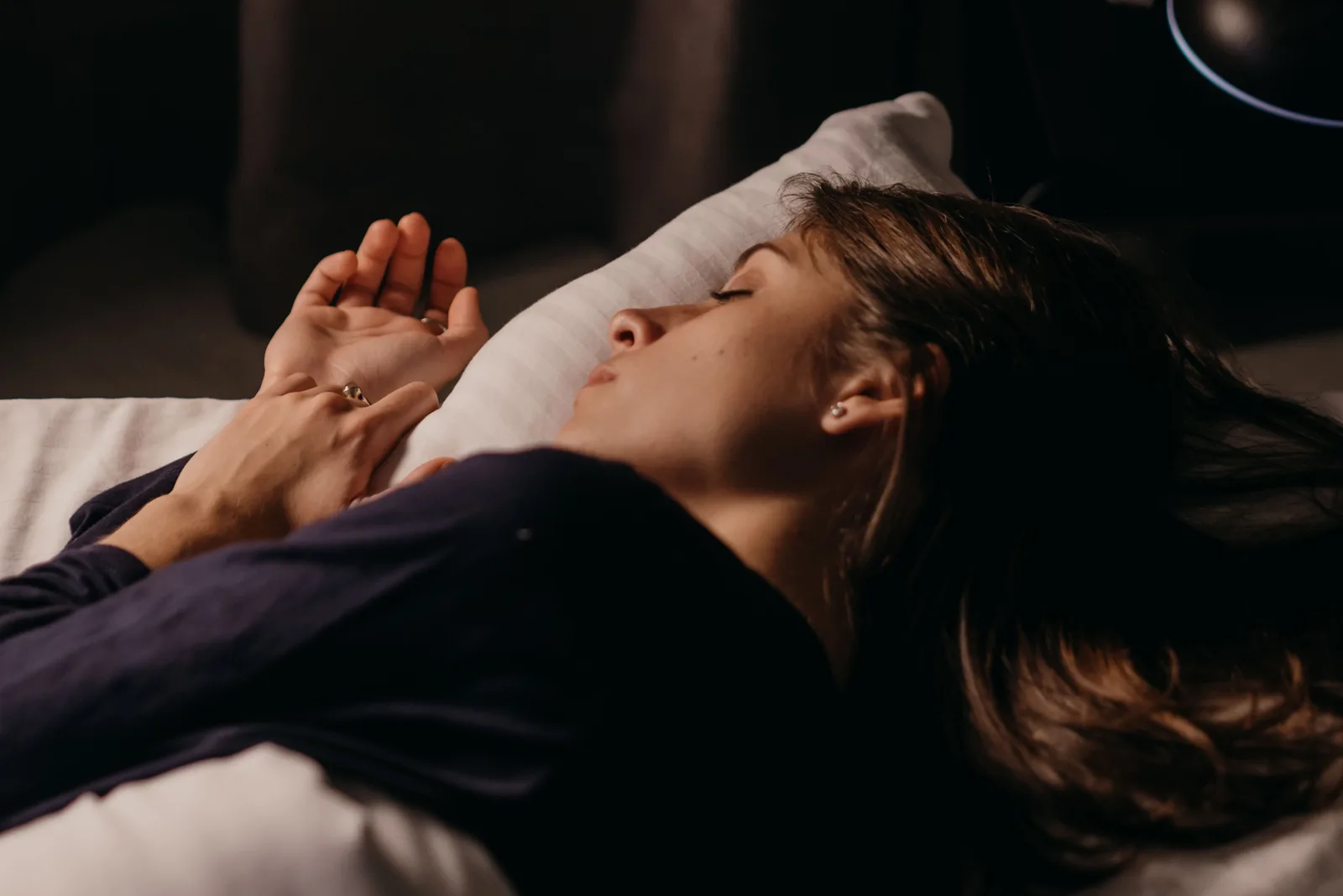
One of the biggest challenges is recognizing when fatigue stops being a healthy response to life's demands and starts to signal a process of illness. "Adaptive stress happens during specific periods of greater demand, but its main feature is that it subsides when the person rests, sleeps well or spends a weekend disconnected. When someone is becoming ill, on the other hand, rest no longer restores energy. The person may sleep eight hours or take weeks off and still wake up deeply exhausted," says Rachel Sette.
The psychologist explains that warning signs appear when body and mind begin to “fail” at the same time. Persistent insomnia, physical pain with no evident medical cause, digestive problems, constant irritability, loss of interest in activities that were once enjoyable, emotional numbness and a recurring feeling of incompetence indicate that the problem is no longer just having too many tasks. "When leisure loses its ability to relax us and each day is faced with constant anguish, it becomes clear that we have crossed the line of fatigue and entered the realm of established psychological distress."
And the feeling of exhaustion also affects people who don't identify with the traditional diagnosis of burnout. Caregivers, mothers, fathers, students and people juggling multiple shifts live with continuous demands that require attention, responsibility and emotional availability, often with no room for recovery.
"These groups experience an overlap of tasks marked by high responsibility and little room for control or pause. The central psychological factor is a state of continuous hypervigilance. The brain keeps operating in alert mode, with no adequate time between one demand and the next to switch off the stress-response system. When this routine happens without the support of a solid network, emotional exhaustion stops being the exception and becomes the rule," says Rachel Sette.
In this context, researchers have described a process of "expansion of the performance logic," in which traits once associated only with the workplace have come to guide virtually every dimension of life. Leisure has to be productive, self-care must deliver measurable results, and parenting comes with high standards of performance and comparison. This dynamic echoes the analysis of philosopher and sociologist Byung-Chul Han, who argues that contemporary society has replaced discipline with constant self-demand, making people at once the ones under pressure and the ones applying pressure to themselves.
Younger generations and a new way of dealing with distress
Generational differences reinforce this transformation. Several international surveys show that younger adults report higher levels of stress and greater concern about mental health than previous generations. According to Rachel Sette, this doesn't necessarily mean they suffer more, but that they have developed a different relationship with the subject.
"This variation results from a combination of sociocultural changes, shifts in labor relations and greater access to information about mental health. Older generations were shaped by a culture that valued personal sacrifice and silent resilience. Younger people, by contrast, entered a job market marked by instability, more flexible employment arrangements and nonstop connectivity. It's not a matter of being more or less weak, but of a shift in cultural stance: they name their distress more easily, question toxic environments and treat emotional well-being as an important criterion in building a career," the psychologist observes.
Reclaiming spaces for rest is part of the solution
For the psychologist, facing this reality requires more than occasional vacations or small changes in routine. "The most important step is renegotiating boundaries: learning to say no, renegotiating deadlines, redistributing responsibilities both at work and at home. It's also essential to set aside time for digital disconnection and to include activities that don't involve goals, performance or tallying results. And to understand that vacations work for ordinary fatigue, but they don't cure mental disorders or established burnout. At most, they offer temporary relief."
She concludes by recommending that people seek psychological or psychiatric care when overload begins to interfere with daily activities, when sleep no longer restores energy, or when persistent symptoms emerge, such as hopelessness, intense irritability and emotional distance from loved ones. In these cases, the goal is not just to relieve fatigue, but to rebuild healthier ways of coping with life's pressures.
Scientific studies and books cited or used for supplementary information:
- “World Health Organization (WHO). International Classification of Diseases – ICD-11. Burn-out (QD85)”. Available at: https://icd.who.int/browse/2025-01/mms/en#/http://id.who.int/icd/entity/129180281
- “The Managed Heart: Commercialization of Human Feeling”, book by Arlie Russell Hochschild
- “The Time Bind: When Work Becomes Home and Home Becomes Work”, book by Arlie Russell Hochschild
- “Social Acceleration: A New Theory of Modernity”, book by Hartmut Rosa
- “The Burnout Society”, book by Byung-Chul Han